ICU Setup At Home | Nursing Service For ICU Patients At Home
Healthcare is evolving, and one of the most revolutionary changes is the ICU setup at home. Imagine having the critical care facilities of a hospital, but in the comfort of your own house. This concept is gaining popularity worldwide, especially in India, where families prefer to keep loved ones closer during difficult times. Apart from emotional benefits, home ICU care also reduces costs, infection risks, and dependency on hospitals.
What is an ICU Setup at Home?
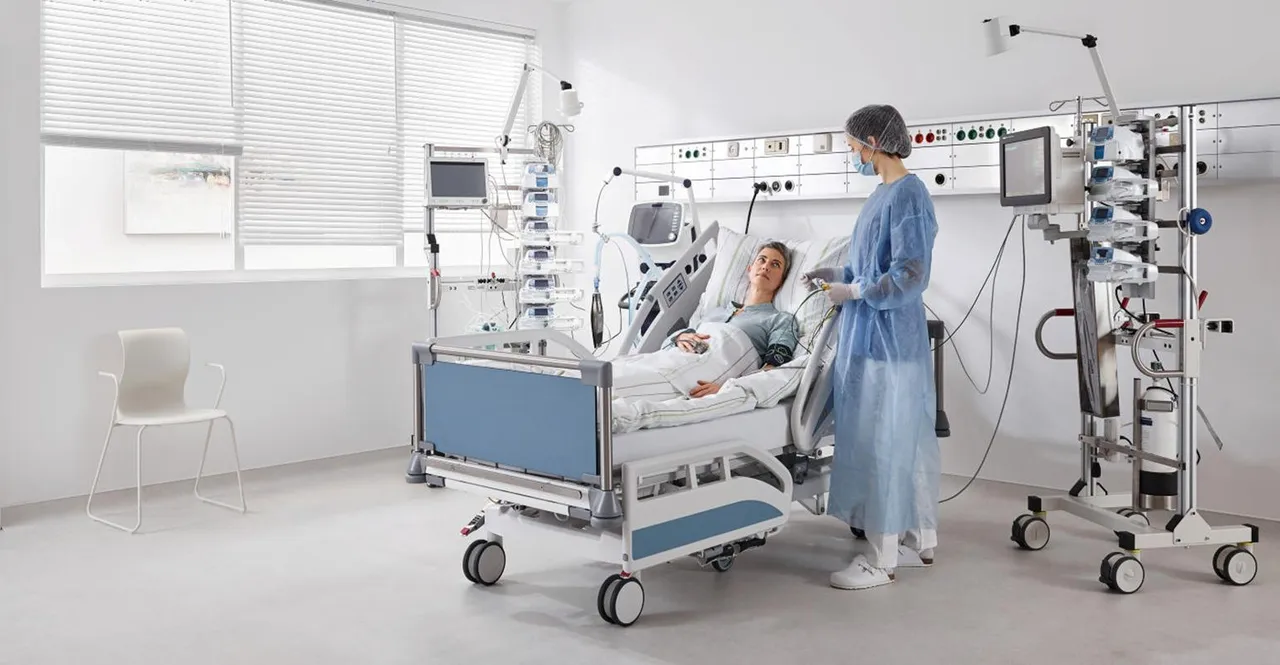
An ICU at home is a specially designed arrangement where a patient receives critical care within their residence. It includes hospital-grade equipment such as ventilators, monitors, oxygen supply, and is supported by trained ICU nurses and doctors. Essentially, it recreates the hospital ICU environment but within a patient’s familiar surroundings.
Why Choose ICU at Home?
- Comfort and familiarity: Patients recover better in their own environment.
- Family presence: Unlike hospitals with visiting restrictions, family members can be around all the time.
- Lower costs: Home ICU care can often be 30–40% cheaper than hospital ICU stays.
- Reduced stress: No constant transfers between hospitals for long-term patients.
Types of Patients Who Need ICU at Home
- Post-surgical patients: For recovery after major operations.
- Critical illness cases: Stroke, respiratory failure, or organ dysfunction.
- Elderly patients: With age-related complications needing constant monitoring.
- Long-term recovery patients: Cancer, neurological issues, or those needing prolonged ventilator support.
Essential ICU Equipment for Home Setup
To ensure hospital-level safety, the following equipment is essential:
- Ventilator – For patients with breathing difficulties.
- Patient monitor – Tracks heart rate, BP, oxygen saturation, and more.
- Oxygen concentrator/cylinder – Provides life-supporting oxygen.
- Suction machine – Clears airway blockages.
- Infusion pumps – For medication and fluid administration.
- Emergency drugs – Kept handy for sudden complications.
Role of Nursing Services in Home ICU Care
Nurses are the backbone of home ICU services. Their roles include:
- ICU-trained nurses available 24/7.
- Monitoring vital signs and reporting to doctors.
- Administering injections, drips, and medicines.
- Performing procedures like tracheostomy care, catheterization, and suctioning.
- Handling emergencies until a doctor intervenes.
Doctor Supervision in Home ICU
- Regular visits for assessment.
- Telemedicine support for real-time consultation.
- Emergency backup plans in case hospitalization is needed.
Step-by-Step Process of Setting Up an ICU at Home
- Initial assessment – A doctor evaluates if the patient is suitable for home ICU.
- Planning – Decide what equipment and nurses are required.
- Installation – ICU machines, monitoring devices, and beds are arranged.
- Care assignment – A trained nurse and a supervising doctor are appointed.
- Monitoring system – Continuous updates are shared with family and doctors.
Advantages of ICU Setup at Home
- Emotional comfort improves healing.
- No hospital-acquired infections.
- Customized care plans for each patient.
- Flexible visiting hours for loved ones.
Challenges of ICU at Home
- Space requirement: A dedicated room is necessary.
- Cost of setup: Equipment rentals and nursing charges can add up.
- Emergency risk: Hospital transfer might still be required in critical situations.
Cost of ICU Setup at Home in India
The cost depends on city, patient needs, and duration.
- Daily charges: ₹7,000 – ₹25,000/day on average.
- Equipment rental: Ventilator costs around ₹3,000–₹5,000/day.
- Nursing charges: Skilled ICU nurse costs between ₹1,500–₹3,000/day.
Overall, it’s cheaper than a hospital ICU but still a premium service.
Choosing the Right Home ICU Service Provider
- Certifications and licenses of the company.
- Experience in handling critical cases.
- Availability of backup support.
- Reputation and reviews.
Real-Life Success Stories of ICU at Home Patients
Many families have seen positive outcomes, especially for elderly patients recovering from surgery or long-term illness. Emotional support and home comfort often accelerate recovery compared to sterile hospital environments.
Future of Home-Based ICU Care
With AI-powered monitoring systems, telemedicine, and portable medical devices, ICU at home will soon become more advanced and affordable. It’s a growing healthcare trend that bridges the gap between hospital and home.