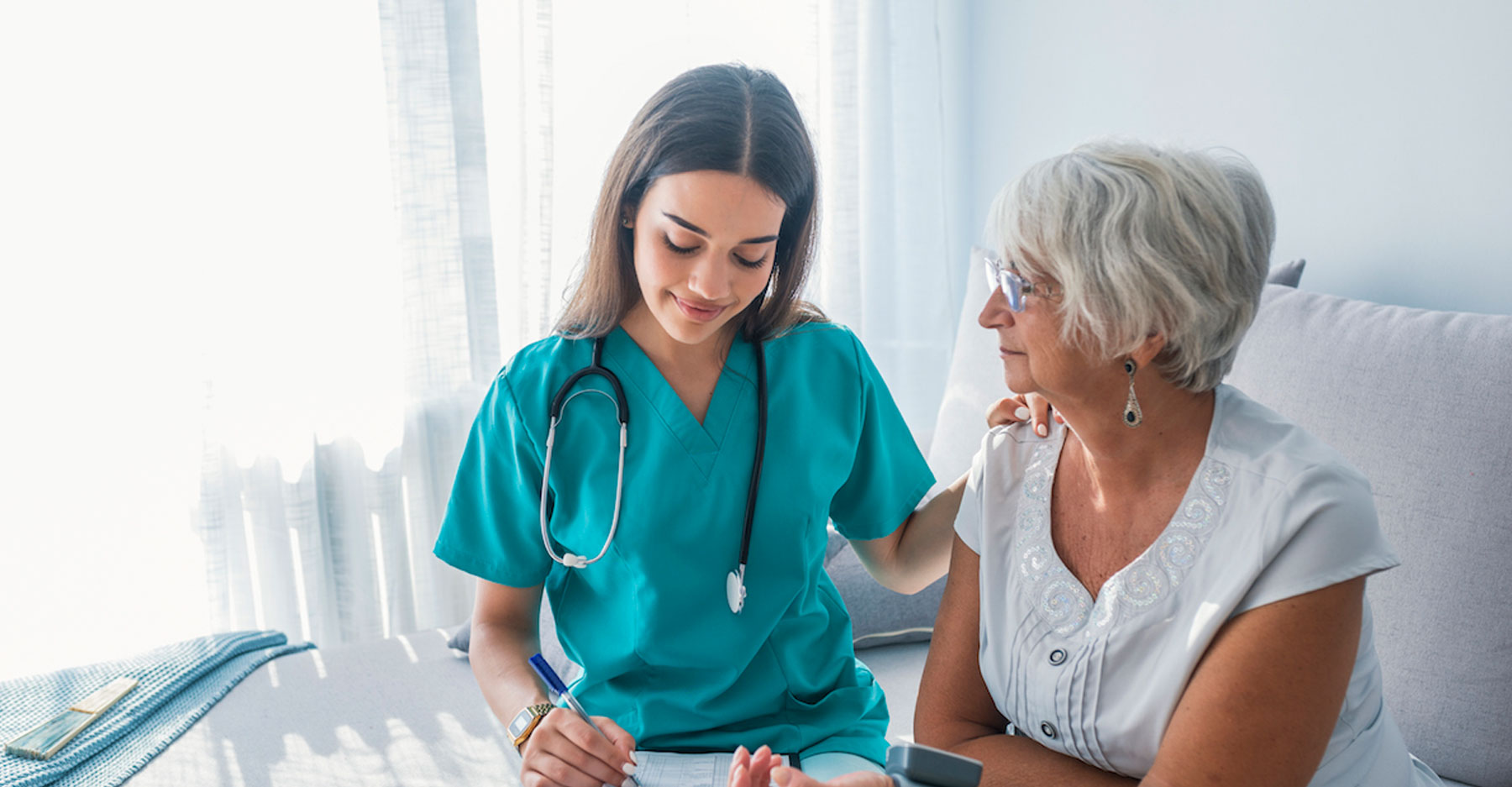
Patient Caretaker/ Trained Attendant
In today’s fast-paced world, families often struggle to provide constant care for their loved ones who may be elderly, recovering from surgery, or suffering from long-term illnesses. This is where a patient caretaker or trained attendant steps in. These professionals are not doctors or nurses but are specially trained to assist patients in their daily needs, providing both personal and emotional support. They bridge the gap between medical care and everyday comfort, ensuring patients live with dignity and safety.
Who is a Patient Caretaker?
A patient caretaker (also called a trained attendant) is someone who helps patients with basic health-related tasks and personal care. Unlike nurses, who focus on clinical and medical procedures, caretakers are more involved in assisting with everyday activities. Their primary role is to ensure the comfort, hygiene, and well-being of the patient, whether at home or in a healthcare facility.
Roles and Responsibilities of a Patient Caretaker
Patient caretakers wear many hats. Depending on the patient’s condition, they may take on different responsibilities, such as:
- Personal Care Assistance
- Helping with bathing, grooming, and dressing.
- Feeding patients or assisting them with meals.
- Assisting with toilet needs and hygiene maintenance.
- Supporting mobility, walking, or using wheelchairs.
- Basic Medical Support
- Monitoring vital signs like blood pressure, sugar levels, and temperature.
- Reminding patients to take their prescribed medicines on time.
- Assisting with breathing exercises or physiotherapy routines.
- Observing health changes and reporting them to the family or doctor.
- Companionship and Emotional Support
- Offering company to reduce loneliness, especially for elderly patients.
- Engaging patients in light activities, reading, or conversations.
- Encouraging positivity and mental well-being.
- Household Assistance
- Preparing meals according to dietary needs.
- Keeping the patient’s room clean and organized.
- Performing light household chores related to the patient’s comfort.
- Support During Medical Visits
- Assisting patients while visiting doctors or hospitals.
- Helping nurses and doctors during home checkups.
- Providing physical support during transfers from bed to wheelchair or ambulance.
Who Needs a Patient Caretaker?
- Elderly people – who need day-to-day assistance with mobility and hygiene.
- Post-surgical patients – for smooth recovery at home.
- Disabled individuals – requiring physical support in daily tasks.
- Bedridden patients – needing constant monitoring and personal care.
- Patients with chronic illnesses – such as cancer, stroke, or respiratory issues.
Benefits of Hiring a Patient Caretaker
- Round-the-Clock Care: Caretakers provide 24/7 support, ensuring patients are never left alone.
- Reduced Family Stress: Families can balance their work-life commitments while knowing their loved one is safe.
- Affordable Care: Hiring a caretaker is often more economical than hospital stays or full-time nursing.
- Improved Patient Dignity: Patients get professional support while maintaining independence and privacy at home.
- Emotional Well-Being: Companionship helps reduce loneliness and depression, especially in elderly patients.
Qualities of a Good Patient Caretaker
- Patience and empathy – for handling patients with care.
- Physical strength – to assist with mobility and lifting.
- Observation skills – to notice changes in health conditions.
- Communication skills – to interact with both patients and families.
- Basic medical training – in monitoring vitals and first aid.
Training and Skills of Patient Caretakers
Professional caretakers usually undergo short-term healthcare training programs, where they learn:
- First aid and emergency response.
- Hygiene maintenance and infection control.
- Patient transfer techniques.
- Monitoring vitals and handling medical equipment.
This training ensures they are capable of managing daily patient needs safely and effectively.
Patient Caretaker Services at Home
Many healthcare providers now offer caretaker services at home, which can be hired on an hourly, daily, or monthly basis. These services are tailored based on the patient’s condition. For example:
- Full-time caretakers for bedridden or elderly patients.
- Day/night shift caretakers for families needing support during specific hours.
- Temporary caretakers for post-surgery recovery or short-term illness.
Challenges Faced by Patient Caretakers
- Handling aggressive or non-cooperative patients.
- Managing stress from long working hours.
- Emotional burnout from caring for critically ill individuals.
- Limited authority in performing advanced medical tasks.
Cost of Patient Caretakers in India
The cost varies depending on the patient’s needs and city. On average:
- Day/night caretaker: ₹700 – ₹1,200 per shift.
- 24-hour caretaker: ₹15,000 – ₹30,000 per month.
- Specialized care attendants: Higher rates depending on skills.
Compared to hospital charges, home caretaker services are more affordable and convenient.
How to Choose the Right Patient Caretaker?
- Agency reputation – Choose licensed healthcare providers.
- Training and experience – Check if the attendant has ICU or elderly care experience.
- Background verification – For safety and trust.
- Compatibility with the patient – A caretaker should match the patient’s temperament.
- Flexibility of service – Choose hourly, part-time, or full-time services as required.
Real-Life Impact of Patient Caretakers
Families who hire caretakers often report better recovery, improved emotional stability, and reduced stress. For elderly patients, companionship alone can make a huge difference, while post-surgical patients heal faster when cared for in a familiar home environment.
Future of Caregiving in India
With an aging population and rising chronic illnesses, the demand for trained attendants will continue to grow. Technology like AI health monitoring, telemedicine, and wearable devices will further empower caretakers to provide smarter and safer care at home.